Beginner’s Guide to Collecting Tribal Art
Welcome to the fascinating world of tribal art. If you’re new to collecting, you’re about to begin a deeply rewarding journey. Tribal art; also referred to as indigenous or ethnographic art, encompasses the creative traditions of native cultures from Africa, Asia, the Americas, and Oceania. These works are far more than decorative objects; they carry cultural, spiritual, and historical meaning, telling stories of rituals, ancestry, daily life, and humanity’s relationship with the natural world.
From intricately carved African masks and ceremonial weaponry to utilitarian objects and vibrant Native American pottery, tribal art offers a powerful window into diverse human experiences. Whether you’re drawn to the bold sculptural traditions of Southeast Asia or the monumental, moai-inspired forms of Polynesia, building a collection can be both accessible and deeply personal.
This beginner’s guide introduces the essential principles of collecting antique tribal art with confidence, while emphasizing ethical practices that respect the cultures behind each piece.
Why Collect Tribal Art?
Collecting tribal art goes far beyond aesthetics. For many collectors, it represents a meaningful connection to history, culture, and creativity.
Preserving Cultural Heritage
Many tribal artworks represent traditions increasingly at risk due to modernization, globalization, and cultural displacement. Responsible collecting helps preserve these artistic legacies and the knowledge they embody.
Personal Connection
The most compelling collections are driven by emotion and curiosity. You may be drawn to a piece that recalls a journey, reflects a belief system, or simply resonates through form and presence. Many collectors develop their focus over time through personal experiences and study. To see how others began their journeys and what inspires their collections, check out our Collector Spotlight section.
Investment Potential
While passion should always come first, authentic and well-documented tribal art can appreciate over time—particularly rare works with strong provenance and scholarly recognition.
Distinctive Home Décor and Inspiration
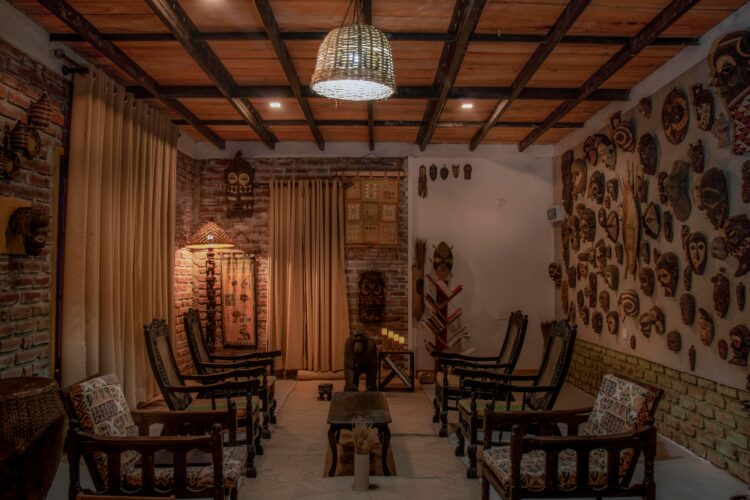
Tribal art adds depth and individuality to contemporary interiors and has long influenced modern art, architecture, and design.
Step 1: Educate Yourself
Education is the foundation of successful tribal art collecting. Developing your eye and understanding takes time, but it is one of the most rewarding aspects of the journey.
Learn Regional Styles and Traditions
Tribal art varies widely by geography and culture, each with its own materials, symbolism, and purpose:
- African Art often features masks and figures connected to rituals, initiation ceremonies, and spiritual beliefs.
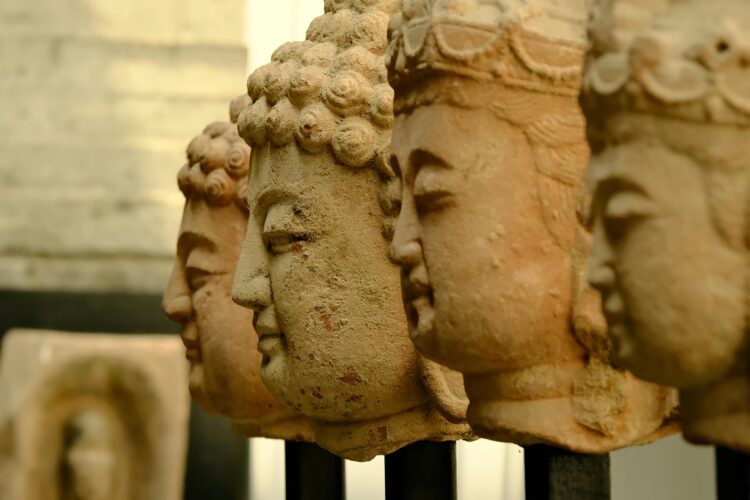
- South and Southeast Asian Art includes sculptural forms and ceremonial objects shaped by Hindu, Buddhist, and animist traditions.
- Native American Art is rich in pottery, basketry, textiles, and jewelry, frequently reflecting spiritual and environmental connections.
- Oceanic Art, from Papua New Guinea to Polynesia, emphasizes ancestral figures, shields, masks, and ceremonial weapons.
Studying these distinctions will help you recognize quality, authenticity, and cultural context. Also browse our Educational Guides Section
Build a Reference Library
Books and scholarly publications are essential tools for collectors. Museum catalogs, academic studies, and field research provide insight into provenance, symbolism, and historical use.
A growing reference library allows you to compare objects, recognize stylistic variations, and avoid common pitfalls.
Learn to Verify Authenticity
Not all tribal-style objects are antique or culturally significant. Contemporary and tourist-made works are common, making authentication essential.
Key indicators include:
- Documented provenance
- Materials and construction consistent with traditional methods
- Signs of age, use, and ritual wear
- Stylistic accuracy within a known cultural tradition
When uncertainty arises, expert guidance is invaluable.
Consult Scholars and Appraisers
Experienced collectors often consult art historians, ethnographers, museum curators, and professional appraisers. These specialists can help confirm origin, age, cultural significance, and value.
Working with knowledgeable experts and established dealers adds confidence and ethical accountability to your collecting.
Visit Museums, Exhibitions, and Trusted Dealers
Seeing tribal art in person sharpens your understanding of scale, surface, and craftsmanship. Museums and curated exhibitions provide essential context, while reputable dealers offer opportunities to learn directly from experience.
Step 2: Buy Ethically and Responsibly
Ethical collecting is central to the preservation of tribal art. These objects are often deeply connected to living cultures and belief systems.
Respect Cultural Context
Some objects were created for sacred, ceremonial, or funerary use and may not have been intended for sale. Understanding an object’s original purpose helps ensure respectful ownership and display.
Verify Legal and Ethical Provenance
Confirm that an object was acquired and exported legally and in compliance with international regulations. Clear documentation protects both the collector and the cultural legacy of the object.
Buy from Reputable Sources
Established dealers are transparent about sourcing, condition, and research. They welcome questions and stand behind the authenticity of their objects.
Support Preservation and Scholarship
Collectors play an important role in sustaining research, exhibitions, and cultural dialogue. Supporting scholarship helps ensure these traditions remain understood and respected.
Beginner’s Checklist for Collecting Antique Tribal Art
Collect with curiosity and respect
Build a trusted reference library
Verify authenticity and provenance
Buy from reputable, transparent dealers
Learn regional styles and cultural context
Consult scholars or appraisers when needed
Ask questions and take your time
Let passion guide your choices
Begin Your Collecting Journey
Collecting tribal art is a lifelong exploration. Each object reflects the creativity, beliefs, and history of the people who made it. By educating yourself and collecting responsibly, you become a steward of cultural heritage as well as a collector.
At TribalArt.com, we are committed to preserving and presenting authentic tribal art with scholarship, transparency, and respect. Whether you are acquiring your first piece or refining an established collection, we invite you to explore, learn, and collect with confidence.