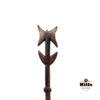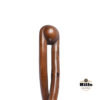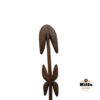
Zulu Half Moon Battle Axe
Exploring the Zulu Battle Axe: The Prestigious isiZenze in Zulu Warfare and Culture
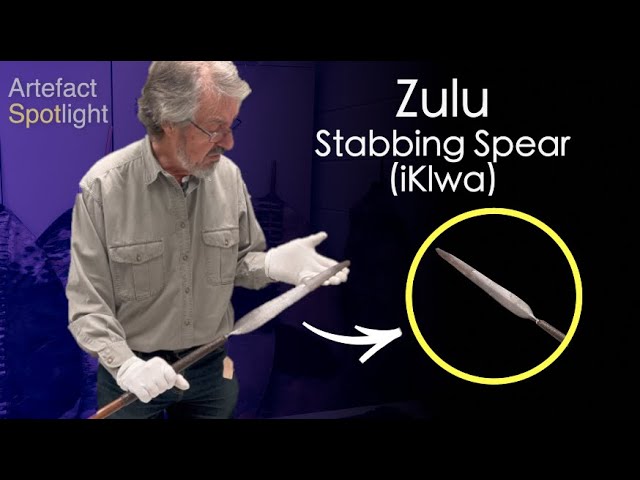
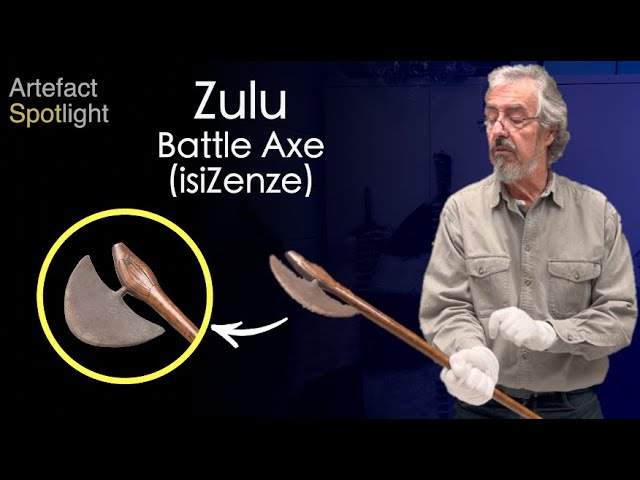
Welcome back to the TribalArt.com blog, where we delve into the rich world of indigenous artifacts, their historical significance, and the stories they tell about ancient cultures. Today, we’re spotlighting a fascinating piece from Zulu heritage: the isiZenze, a half moon battle axe that embodies both craftsmanship and prestige. Our inspiration comes from an insightful YouTube video by historian Ian Knight, part of the “Clash of Empires Anglo-Zulu War” channel. If you’re a fan of military history or tribal weaponry, this artifact is a must-know.
The Craftsmanship of the isiZenze
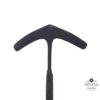
At first glance, the isiZenze stands out for its intricate metalwork. Unlike the more common Zulu spears (which were the go-to weapons in battle), this axe required skilled forging, resulting in blades that varied in size and shape.
The handle, typically wooden, complemented the blade’s weight, making it balanced for both display and action. In tribal art terms, the isiZenze represents the fusion of utility and aesthetics common in African indigenous craftsmanship. The attention to detail in the blade’s curve and edge speaks to Zulu metallurgists’ expertise, turning a weapon into a work of art that could be passed down through generations.
Prestige and Symbolism in Zulu Society
One of the video’s key takeaways is that the isiZenze wasn’t ubiquitous on the battlefield. Spears dominated Zulu warfare tactics, but the axe was reserved for those with authority; think commanders or elite warriors. Its prestige extended beyond combat; Knight describes how it served as a signaling tool. By holding it aloft and pointing with the blade, a leader could direct troops silently amid the chaos of battle. This multifunctional aspect adds layers to its cultural value, blending martial prowess with strategic communication.
In the broader context of tribal art, artifacts like the isiZenze remind us how objects in indigenous cultures often carry symbolic weight. It wasn’t just about chopping or hooking shields; it was a badge of honor, much like ceremonial masks or beaded regalia in other African traditions. Owning one likely denoted socia
Why This Matters for Tribal Art Enthusiasts
Artifacts like the isiZenze highlight the artistry embedded in everyday (or battle-ready) objects from tribal societies. At TribalArt.com, we celebrate these pieces for their storytelling power; revealing insights into social hierarchies, warfare strategies, and cultural pride. The Zulu Kingdom’s legacy, especially during conflicts like the Anglo-Zulu War, shows how such items were integral to identity and survival.
If you’re inspired, check out the full video here: The Zulu Battle Axe (isiZenze) – Artefact Spotlight. It’s a quick watch at under 5 minutes but packed with knowledge. For collectors or researchers, replicas or similar artifacts might be available through reputable sources; always ensure ethical sourcing to respect cultural origins.
What are your thoughts on Zulu weaponry? Have you encountered similar prestige items in other tribal cultures? Share in the comments below, and stay tuned for more artifact deep dives on TribalArt.com!