The Zulu Headrest (Isigqiki): Symbolism, Amasumpa Motifs, and Ancestral Design
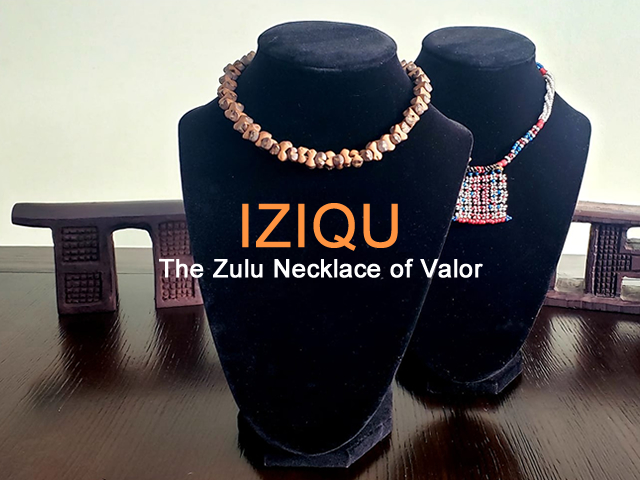
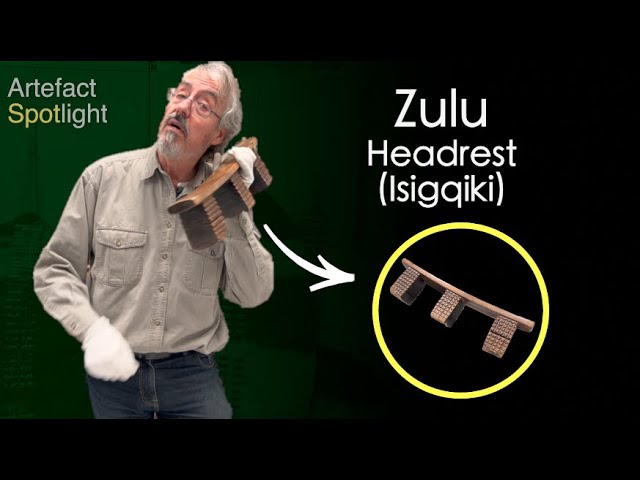
In our ongoing series on Zulu heritage, building on our previous exploration of Iziqu Necklace of Valor; we turn our focus to a profound functional masterpiece: the wooden headrest, known as the Isigqiki.
Design as a Guardian of Identity
During the height of the independent Zulu Kingdom, the Isigqiki was a central fixture of daily life. These objects were far more than utilitarian “pillows”; they were essential tools for the preservation of social status.
In Zulu society, hairstyles were intricate indicators of marital status and rank:
- For Men: The Isidlodlo (a polished head ring made of fiber, gum, and wax).
- For Women: The Isicholo (the iconic flared top-knot teased with red clay).
By elevating the head during sleep, the Isigqiki protected these time-intensive styles. Beyond aesthetics, the elevation was spiritually purposeful. It was believed that a deeper, more refined sleep facilitated clearer communication with the ancestors, allowing the sleeper to receive guidance through dreams.
The Language of Amasumpa: Warts of Wealth
The most technically significant feature of high-status Zulu headrests is the incorporation of Amasumpa motifs. These raised, geometric “bumps” or welts are a signature of Zulu master carvers and carry layers of meaning:
1. The Cattle Connection
In the Zulu worldview, cattle are the cornerstone of wealth, rituals, and lobola (bridewealth). Each isumpa (singular) often represents the head of a cow. By resting one’s head upon these patterns, the owner visually and spiritually reinforced their connection to their herd and their lineage’s prosperity.
2. Royal Provenance
Historically, the amasumpa pattern originated within the Zulu royal court. It served as a tactile reminder of the King’s power and the community’s bond. This motif is a “cross-media” symbol, appearing frequently on ukhamba (clay beer vessels) and meat platters, linking the concepts of rest, nourishment, and ancestral favor.
Historical Context & Regional Traditions
To see these artifacts in their historical context, we recommend this insightful spotlight by historian Ian Knight from the Clash of Empires Exhibition:
Knight explores how the Isigqiki reflects Zulu resilience and the physical discipline required in early 20th-century life. While the Zulu tradition is distinct, it shares a “spiritual DNA” with the headrest traditions of the Shona and Tsonga peoples, where intricate carvings also serve as a narrative bridge between the living and the spirit world.
Preserving the Narrative
Today, the Zulu headrest is celebrated in global art collections not just for its minimalist, architectural beauty, but as a vessel of indigenous knowledge. African headrests, including those from the Shona and Tsonga peoples, share this emphasis on cultural depth and craftsmanship, often featuring intricate carvings that convey social or spiritual narratives. While they hold value in global art collections, their true importance lies in preserving indigenous knowledge and artistic expression.
Reflections and Engagement
What aspects of Zulu symbolism intrigue you most? Share your thoughts in the comments below! Stay tuned for more explorations of tribal art and heritage.