Exploring Oceanic Tribal Art: A Journey Across the Pacific
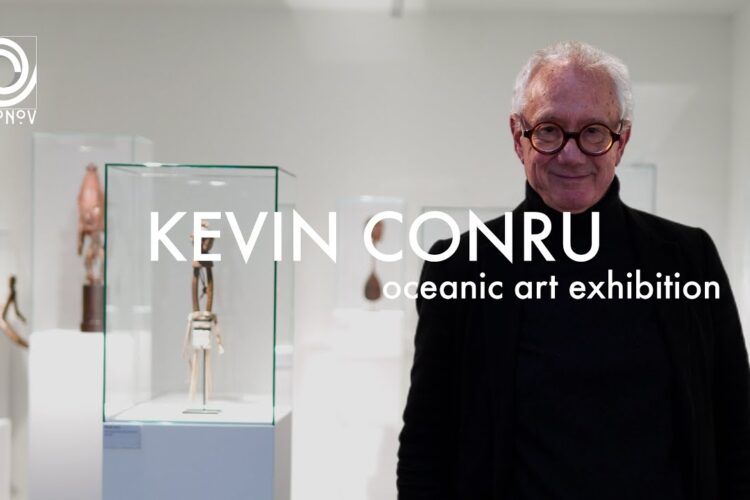
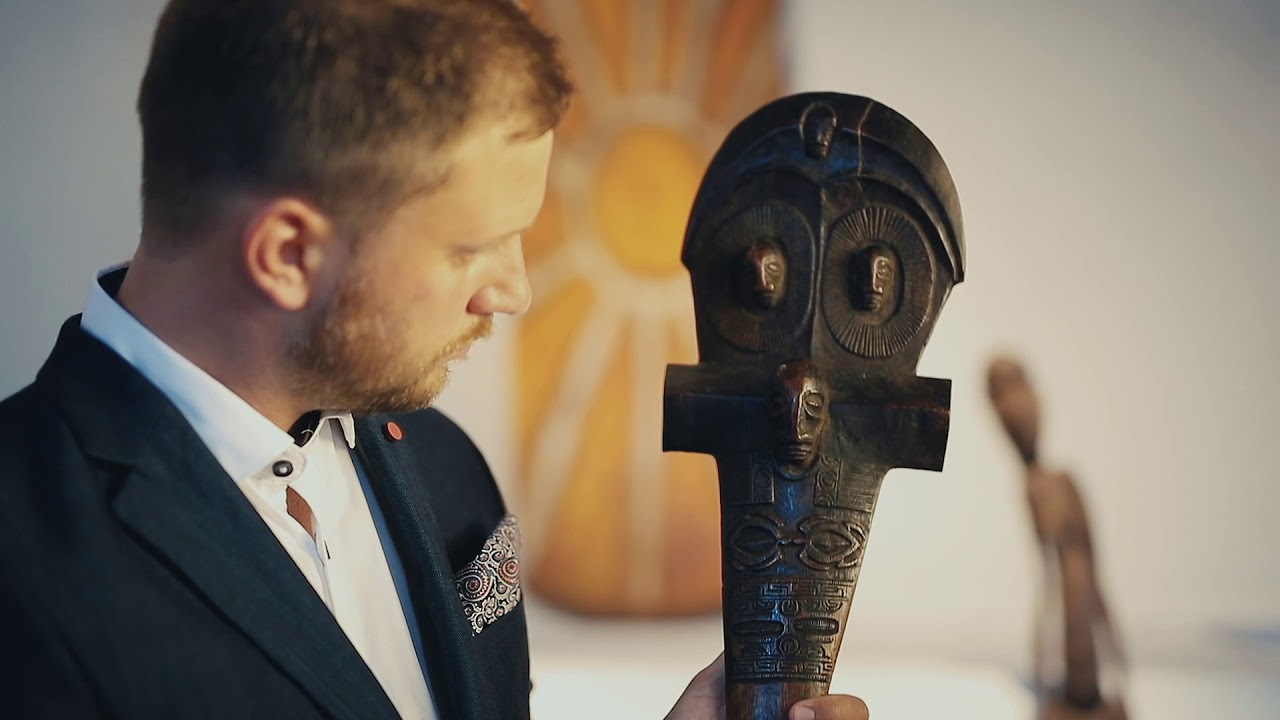
Across the vast expanse of the Pacific Ocean lies Oceania; a region of extraordinary creativity, cultural depth, and artistic innovation. Inspired by a compelling 2019 video from Lyon & Turnbull, in which Oceanic Art specialist Alex Tweedy guides viewers through the “Oceania: Across the Pacific” exhibition, we at TribalArt.com revisit a remarkable selection of works that continue to resonate with collectors and scholars alike. Years on, these objects remain powerful reminders of the resilience, imagination, and worldview of Pacific cultures.
Held in Glasgow, the exhibition featured approximately 20 exceptional objects spanning a third of the globe, from New Guinea to Easter Island. Rather than filtering these works through the lens of European exploration, the exhibition allowed the objects to speak for themselves. Each piece serves as a cultural messenger, revealing how the peoples of Oceania understood their environments, social structures, and spiritual realms through masterful craftsmanship.
Among the highlights is a Marquesas Islands U‘u club, a ceremonial war club celebrated for its refined, tactile carving. Decorated with turtle motifs beneath four finely carved faces, the club exemplifies the symbolic depth of Polynesian art, where form and ornamentation are inseparable from concepts of ancestry, protection, and power.
Equally striking is the Easter Island figure commonly known as Moai Kavakava. Likely carved in the early 20th century, this haunting wooden sculpture embodies the enigmatic spirit of Rapa Nui culture. Its gaunt body and pronounced ribs are often interpreted as representations of ancestral spirits or guardians, reinforcing the enduring mystery and spiritual gravity of Easter Island’s artistic tradition.
From Samoa, bark cloth paintings, known as tapa, introduce a different yet equally compelling medium. Crafted from mulberry bark beaten into supple sheets and decorated with natural pigments, these textiles played vital roles in ceremonies, clothing, and gift exchange. Their bold patterns and rhythmic designs reflect communal creativity and the importance of storytelling and oral tradition in Pacific societies.

en.wikipedia.org Tapa cloth – Wikipedia
Also featured is a chief’s stool from the Cook Islands, a potent symbol of rank and authority. Carved from a single piece of wood, its understated elegance highlights a core principle of tribal design: the seamless union of function, status, and aesthetic refinement.
Many of the works in the exhibition originated from Scottish collections, some dating back to the 1820s, having been passed down through generations or acquired by discerning modern collectors. This history underscores the long-standing global appreciation for Oceanic art and its ability to connect cultures across time and geography.
At TribalArt.com, we are dedicated to preserving and sharing these cultural treasures. Whether you are a seasoned collector or just beginning your journey into tribal art, Oceanic works like these invite deeper appreciation for the diversity and ingenuity of human expression. If this exploration has sparked your curiosity, we invite you to browse our curated selection of Oceanic artifacts or contact us for personalized guidance. Together, let’s keep the stories of the Pacific alive.