The Hero Artifact Series: Part 2 – The Ifugao Bulul (Philippines)
In the high-end world of tribal art, few objects command the same visceral respect as the Ifugao Bulul. Often described by modern collectors as “Archaic Modernism,” the Bulul sits at the intersection of spiritual vessel and sculptural masterpiece, making it the definitive “Hero Artifact” of Southeast Asian tribal traditions.
1. Historical Context: Guardians of the Jade Terraces
Deep in the misty, jade-green rice terraces of Northern Luzon, the Ifugao created an icon that transcends mere wood carving.
- The Granary Protector: Known as Bul-ol or Bulul, these figures are ancestral spirits (anito) infused with power through complex ceremonies performed by mumbaki (traditional priests). Placed in granaries (alang), they serve as active guardians—protecting harvests, warding off pests, and ensuring community abundance.
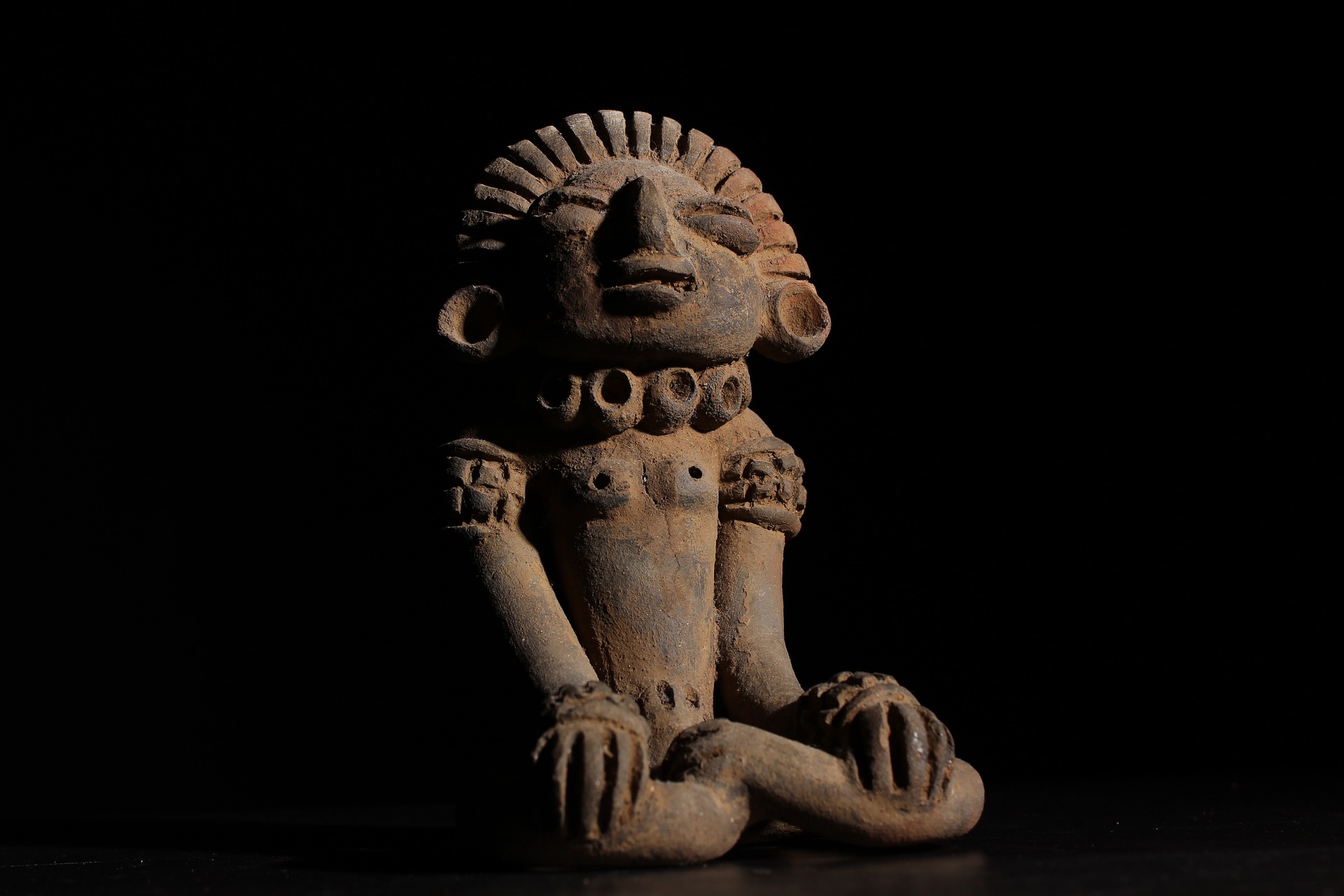
- Material & Form: Carved primarily from dense, sacred woods like narra or ipil, the Bulul is recognized by its squatting, seated posture with arms resting on knees. These are not static objects; they are kinetic vessels of intent.
- The Patina of Use: Authentic, pre-20th-century Bulul are defined by their deep, blackened patina—a visual record of generations of blood offerings, coconut oil, hearth soot, and ritual use. This “crust” is the primary marker of authenticity and spiritual weight.
2. Highest Auction Results: The “Hero” Market
The Bulul has officially achieved “blue-chip” status, with valuations now rivaling the most famous Oceanic and African masterworks.
- The Landmark Sale: In 2022, a superb 19th-century Bulul sold at Christie’s Paris for €630,000 (approx. $660,000 USD), dramatically exceeding its €200,000–300,000 estimate. This stands as a benchmark for Southeast Asian tribal sculpture.
- Market Consistency: Fine examples with verified provenance regularly achieve €20,000–€100,000+ at major houses like Sotheby’s and Christie’s. The 2026 market is particularly aggressive for “paired” figures (male and female), which command a significant premium over individual statues.
3. Scholarly References: The Institutional Gold Standard
Collectors look to the following institutions for authentication baselines:
- The British Museum: Holds critical examples (e.g., As1974,20.1), well-documented as rice deities marked by hearth smoke and offerings.
- Essential Documentation: The National Museum of the Philippines provides the primary research on Bulul sub-regional styles (Hapao vs. Kiangan).
- Key Reading: For deeper study, scholars rely on the work of Roy Franklin Barton on Ifugao material culture and recent catalogues from major ethnographic exhibitions.
4. YouTube Deep-Dive: Living Heritage
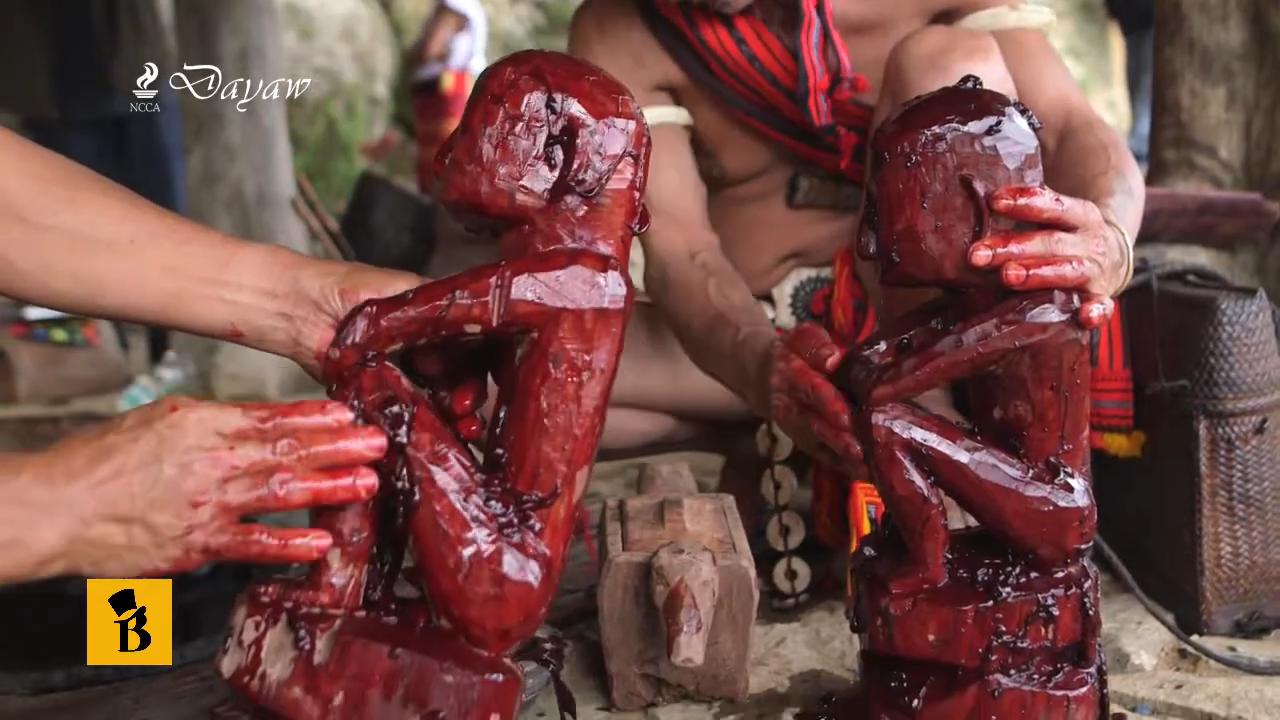
To understand how these objects are commissioned and ritually “awakened,” this documentary is an essential resource:
- What to watch for: This film provides rare, immersive footage of a living Ifugao family performing the commissioning rituals. It offers the best visual context for understanding the cultural environment that birthed these “Hero” artifacts.
Next in the Series: We cross to the Americas – Tlingit Shamanic Mask and more!