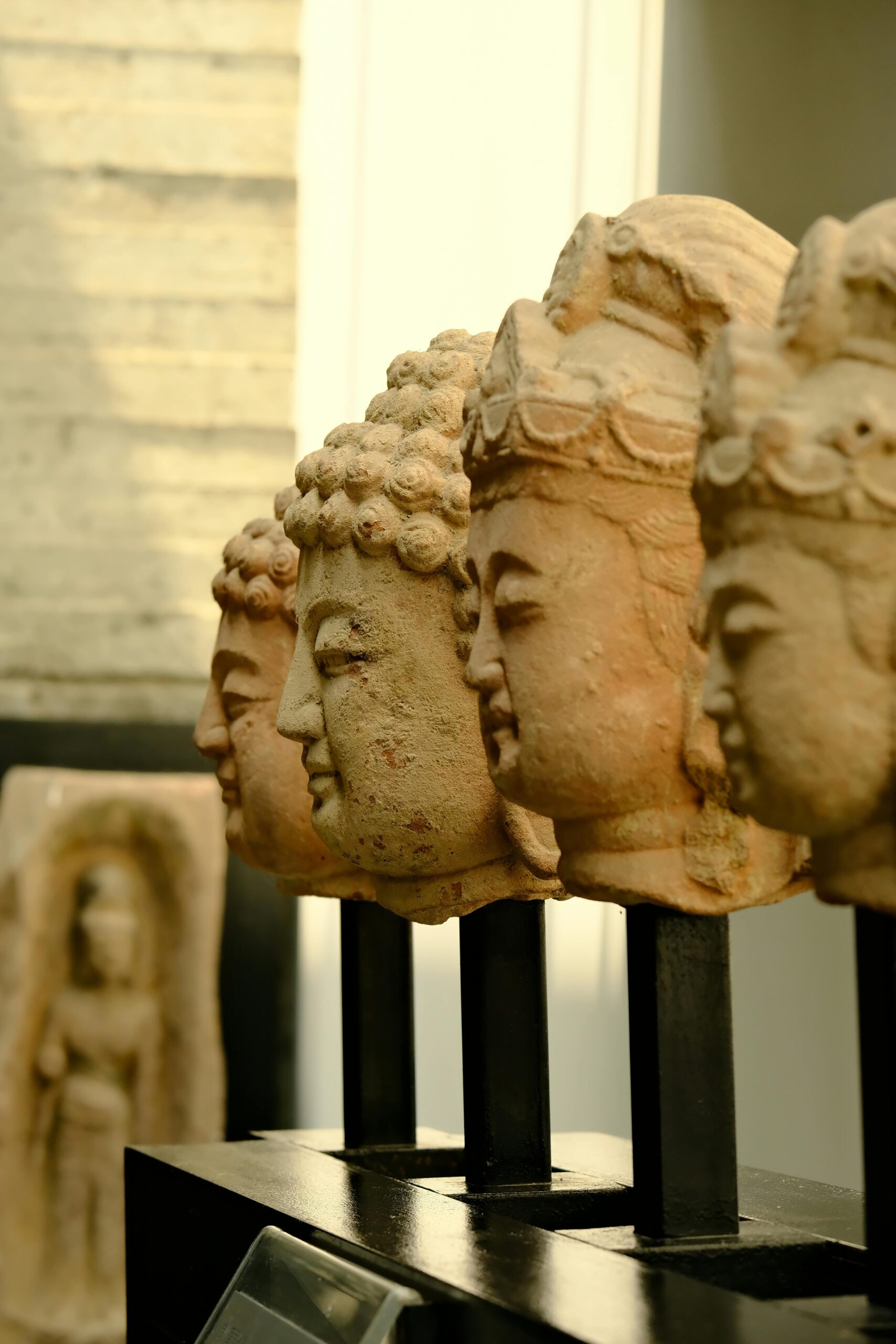
How to Care for Antique Tribal Art: Preservation Tips and Guidelines
Owning tribal art is like holding a piece of history, each object is a vessel carrying stories, rituals, and memories from distant lands. While collecting is a privilege, it also comes with the responsibility of stewardship. Caring for antique tribal art requires a deep respect for its authenticity, its cultural significance, and the delicate balance between preservation and interference. Here are key guidelines on how to preserve these treasures without compromising their unique qualities.
1. Patina Preservation: Don’t Disturb the Object’s Biography
Patina isn’t just a surface feature; it’s the record of an artifact’s history. It tells the story of where it’s been, how it’s been used, and the environmental conditions it’s endured. From the oils left by hands to the effects of smoke from rituals, each layer of patina is a valuable chapter in the object’s life.
What to do:
What to avoid:
2. Handle with Care: Protect the Wear and Tear
Unlike Western artworks, which are often kept in pristine condition, tribal art thrives on the marks of wear. It’s the evidence that the object was once a living, active part of a culture. In the world of tribal art, wear is a sign of authenticity, not deterioration.
What to do:
What to avoid:
3. Repairs: Respect the Object’s History
When tribal art needs repair, it’s important to make sure the restoration stays true to the object’s cultural and historical significance. Improper repairs, especially those done with modern materials, can devalue a piece and erase its story.
What to do:
What to avoid:
4. The Danger of Over-Cleaning: Less is More
Cleaning is a delicate process. While it’s tempting to polish an object to a pristine shine, excessive cleaning can strip away the very characteristics that make tribal art valuable.
What to do:
What to avoid:
5. Display: Light, Space, and Positioning
Where and how you display your tribal art affects its longevity. Natural elements like sunlight and moisture can cause irreversible damage over time.
What to do:
What to avoid:
6. Ethical Considerations: Respect the Provenance
Tribal art is not just about aesthetics—each piece has a story, and part of preserving it is respecting its journey. The provenance, or documented history of the piece, should be honored. In addition, it’s important to be aware of the ethical considerations surrounding the acquisition of these artworks.
What to do:
What to avoid:
7. The Power of Touch: Keep It Alive, But Keep It Safe
There’s an undeniable connection between an object and its handler. Tribal art often comes alive through the evidence of human interaction; whether it’s through ritualistic use or the marks of previous owners.
What to do:
What to avoid:
Final Thoughts: Balancing Preservation and Integrity
When caring for tribal art, remember that less is often more. The best way to preserve these works is by allowing them to exist in their most natural state, with minimal interference. Understanding the balance between caring for an object and preserving its integrity is essential; tribal art should continue to tell its story, not be erased or altered by modern methods of preservation. Through careful handling, respectful restoration, and ethical acquisition, collectors can ensure that these pieces remain vibrant, meaningful, and connected to their cultural roots for generations to come.