The Iziqu: Zulu Necklace of Valor – A Timeless Symbol of Bravery
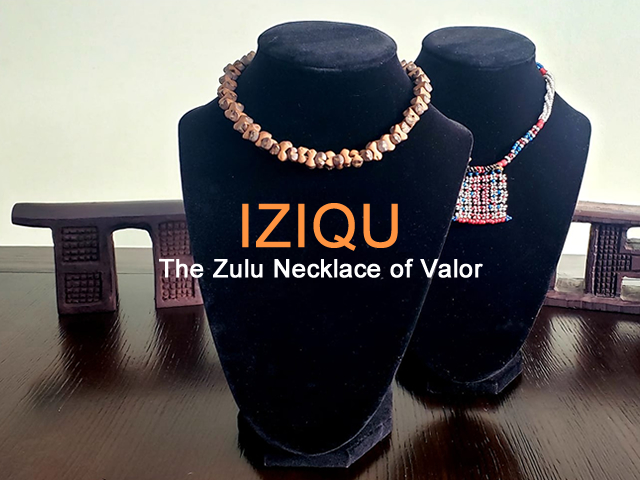
In the rich visual and symbolic language of Zulu material culture, few objects convey martial prestige as powerfully as the iziqu, often described as the “necklace of valor.” Rarely encountered outside of museum collections and early historical records, these wooden necklaces were not ornaments in the conventional sense, but prestigious awards bestowed upon Zulu warriors who demonstrated exceptional courage in battle. Today, authentic examples are exceedingly scarce, with documented pieces preserved in institutions such as the British Museum, the Pitt Rivers Museum, and a small number of private collections. Despite their apparent simplicity, iziqu necklaces represent one of the most meaningful expressions of honor within Zulu warrior society.
Origins and Historical Context
The origins of the iziqu lie in the early nineteenth century, during the reign of the legendary King Shaka kaSenzangakhona, founder of the Zulu Kingdom and architect of its military system. As discussed in previous posts on Zulu martial regalia, most notably our exploration of the inGxotha brass armband; Shaka formalized a hierarchy of honors that rewarded merit, loyalty, and bravery rather than lineage alone.
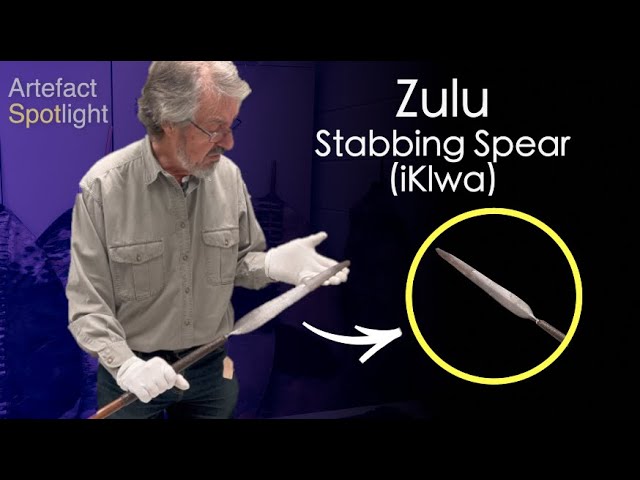
Zulu boys entered the age-regiment (amabutho) system in early childhood and progressed through years of discipline and training before becoming full warriors in their late teens. Armed with short stabbing spears (iklwa), knobkerries (iwisa), and large cowhide shields (iziHlangu), they fought in tightly organized formations and close combat. While warriors typically retired around the age of forty to marry and establish homesteads, true distinction was earned only through proven valor on the battlefield.
The iziqu functioned as a royal commendation, conferred directly by the king for heroic acts. Each carved segment or row on the necklace corresponded to a specific deed, making the object a visible and enduring record of a warrior’s achievements. In the strict hierarchy of Zulu military honors, the iziqu ranked just below the ingxotha armband, which we previously examined as the highest distinction reserved for the most elite and accomplished warriors.
Symbolism and Spiritual Meaning
Like many forms of Zulu regalia, the iziqu held meaning beyond status alone. It was believed to possess protective qualities, functioning as a prophylactic charm that shielded the wearer from harm and spiritual danger until the appropriate post-battle purification rituals were completed. Warfare, in Zulu belief, was as much a spiritual undertaking as a physical one, and objects such as the iziqu occupied a liminal space between honor, protection, and ancestral power.
The term isiqu translates roughly as “root” or “origin,” a concept deeply embedded in Zulu philosophy. The name evokes the foundational essence of bravery—the core from which honor, reputation, and social standing grow. Warriors who distinguished themselves in major conflicts, including battles such as Isandlwana, where Zulu forces famously defeated British troops, were among those recognized with iziqu. In this respect, the necklace can be understood as a Zulu counterpart to the British Victoria Cross: rare, deeply symbolic, and awarded solely for conspicuous bravery.
The Iziqu Monument at Isandlwana
The cultural importance of the iziqu Zulu necklace of valor extends beyond personal adornment and into public commemoration. At the historic Isandlwana battlefield in KwaZulu-Natal, South Africa, a major Zulu memorial monument was erected in 1999 to mark the 120th anniversary of the Battle of Isandlwana (1879). This powerful monument takes the form of a large bronze iziqu, symbolizing the courage, honor, and military achievement of the Zulu warriors who defeated British forces during the Anglo-Zulu War.
Designed in the traditional “bull’s horns” formation, the iziqu monument visually echoes classic Zulu battle tactics. Surrounding the memorial are carved Isigqiki (Zulu headrests), representing fallen warriors laid to rest. Today, the Isandlwana iziqu monument stands as a lasting tribute to Zulu resistance, bravery, and cultural identity, directly linking the historical use of the iziqu necklace with collective remembrance and national heritage.
Collecting and Legacy
For collectors and scholars of African and tribal art, the iziqu remains one of the most elusive forms of Zulu regalia. Its rarity is due not only to age and material fragility, but also to its highly personal nature; these were not trade objects, but earned insignia, often buried with their owners or retained within families. Surviving examples therefore offer a rare and direct connection to the lived experiences of Zulu warriors and the honor systems that defined their world.
Curated References for Collectors
For those researching provenance and authentic typology, the following museum entries are essential study pieces: