Southern Africa Series – Zulu Shields
Unveiling the Power of Zulu War Shields: Insights from Ian Knight’s Artifact Spotlight
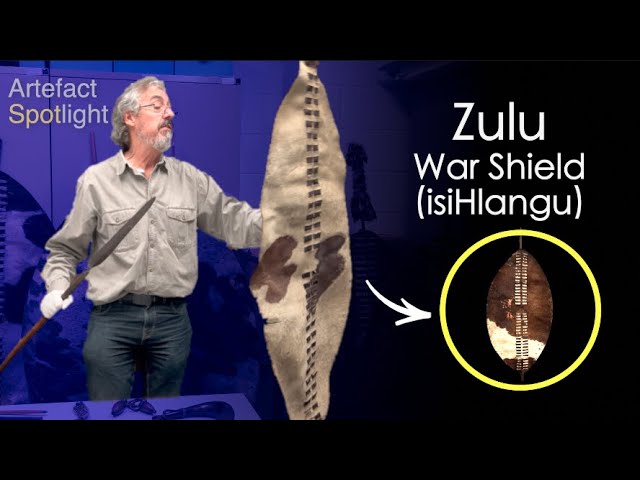
In the world of tribal art, few artifacts embody the fusion of craftsmanship, cultural symbolism, and martial prowess quite like the Zulu war shield, or isiHlangu. Recently, we came across a fascinating YouTube video by historian Ian Knight, spotlighting several authentic Zulu shields from the Anglo-Zulu War of 1879, on display at the Clash of Empires Exhibition in London. Titled “Zulu War Shields (iziHlangu) – Artefact Spotlight,” this video dives deep into their history, construction, and battlefield role. If you’re a collector or enthusiast of African tribal art, this is a must-watch—check it out here. Drawing from Knight’s expert analysis, let’s explore these iconic pieces and why they remain a cornerstone of Zulu heritage.
A Symbol of Zulu Military Might
The iziHlangu, which translates to “to brush aside,” wasn’t just a tool for defense—it was a national emblem under the Zulu King’s ownership. In traditional Zulu society, every man owned personal shields for protecting his homestead. However, when called to war, he joined an amabuto (regiment) based on age groups. These regiments received their shields in a ceremonial issuance at the war’s outset, marking a rite of passage into collective combat.
This system underscores the deep integration of art and warfare in Zulu culture. For tribal art collectors, these color variations offer a window into social hierarchies, making authentic pieces highly sought after in markets like ours here at TribalArt.com.
Craftsmanship: From Hide to Battlefield Icon
The construction of an iziHlangu is a testament to Zulu ingenuity. Starting with treated cow hides, artisans shaped them into large ovals. Parallel slits were cut in two rows across the surface, through which strips of contrasting colored hide were threaded. This created striking patterns—black on white or vice versa—that weren’t merely decorative but functional.
Post-war, the dismantling of the Zulu military ended regimental shield production, leaving surviving examples as British souvenirs or rare treasures preserved better in the UK, private collections and museums around the world.
For those browsing our African Shields category on TribalArt.com, keep an eye out for similar pieces. Authenticity is key; look for provenance from the era, natural patina from use, and those telltale construction details to avoid fakes.
Battlefield Tactics: More Than Just Defense
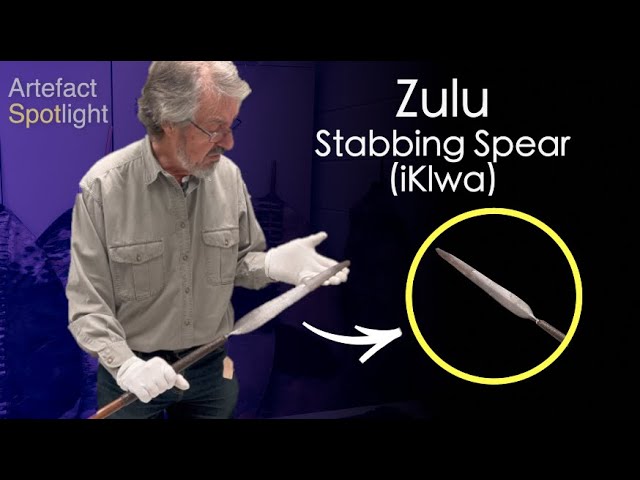
Knight vividly describes the shield’s role in Zulu warfare, revolutionized by King Shaka in the 1820s. Wielded in the left hand alongside a stabbing spear (iklwa) in the right, warriors charged aggressively. The technique? Slam the shield into an opponent to unbalance them, then thrust the spear through the ribs for a lethal strike.
Why Zulu Shields Matter in Today’s Tribal Art World
Artifacts like the iziHlangu remind us that tribal art isn’t static; it’s alive with stories of power, identity, and survival. In an era where cultural heritage is increasingly valued, pieces from the Zulu tradition offer collectors a tangible link to Africa’s rich past. If you’re inspired by Knight’s spotlight, explore our listings for African tribal weapons and shields, or share your own finds in our classifieds.
Have you encountered a Zulu shield in your collection journeys? Drop a comment below or post it on TribalArt.com; we’d love to feature more stories like this. For more on Zulu artifacts, check out our recent blog on the “Southern Africa Series – Zulu Shields” or the “Zulu Half Moon Battle Axe.”
Stay connected with TribalArt.com for the latest in tribal art auctions, authentic pieces, and expert insights. Until next time, keep brushing aside the ordinary!